“Power Regions Initiative” Europa-Forum Wachau, Göttweig Abbey, 21 May
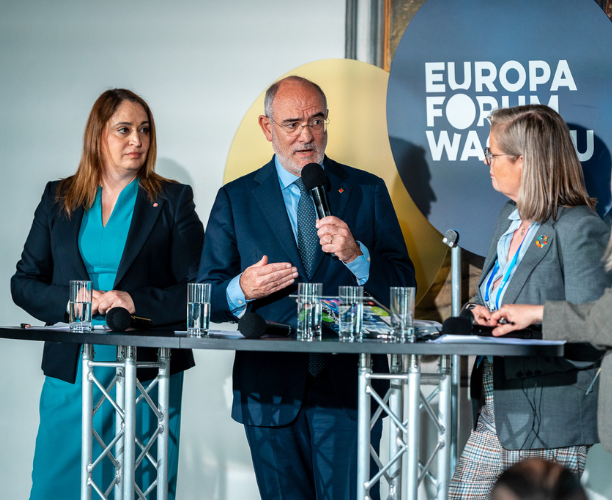
At the Europa-Forum Wachau at Göttweig Abbey, leading representatives from European regions gathered to discuss the role of regions in strengthening Europe’s competitiveness, resilience and strategic autonomy. The panel “Power Regions Initiative”, organised by the Liaison Office of the State of Lower Austria in Brussels, featured Rachel de Basso (Member of the Regional Council and Chair of the Regional Executive Board, Region Jönköping – Sweden), Sari Rautio (President of the EPP Group in the European Committee of the Regions, Member of Hämeenlinna City Council – Finland), Jaume Duch Guillot (Minister for European Union and Foreign Affairs – Catalonia, Spain) and Lower Austrian Governor Johanna Mikl-Leitner, and was moderated by Alison Hunter.
‚regions are the heart of Europe‘
The discussion focused on the importance of regions as drivers of innovation, economic growth and value creation. Participants stressed that strong regional ecosystems are essential for Europe’s future prosperity and highlighted the principles of subsidiarity and cohesion policy as key elements of a competitive and resilient European Union. Against the backdrop of increasing global competition and growing regulatory complexity, the panellists examined how regional strengths can contribute to Europe’s future prosperity and resilience.
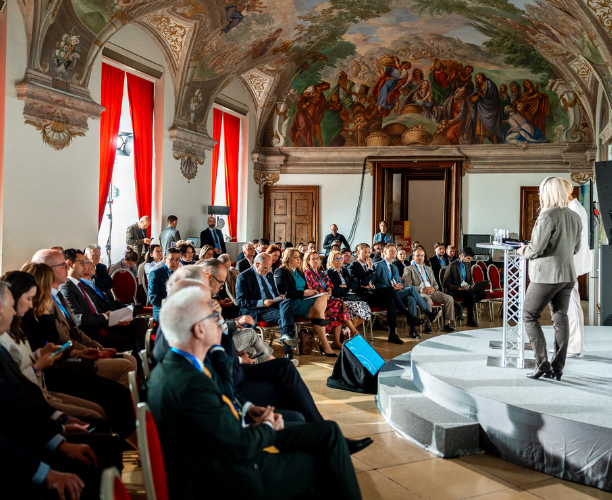
A key focus was the importance of subsidiarity and the question of how much decision-making authority should remain at regional level in order to ensure both effective governance and European competitiveness. Participants stressed that economic value creation takes place primarily in regions and that strong regional ecosystems are essential for innovation, investment and sustainable growth.
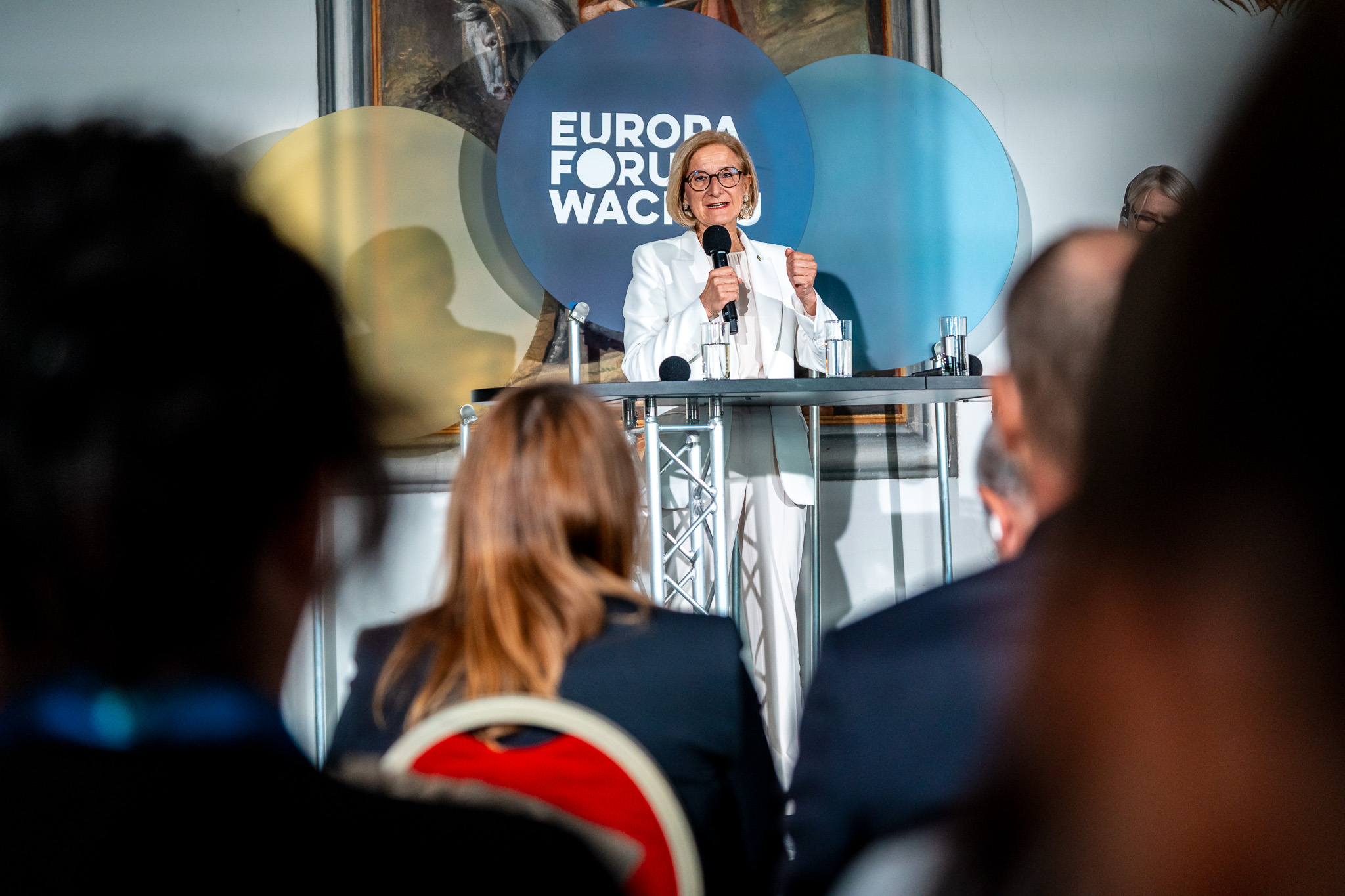
’stronger recognition of regional expertise‘
Governor Johanna Mikl-Leitner underlined the importance of regions as engines of growth and innovation, calling for a stronger recognition of regional expertise in European policymaking. Rachel de Basso, Sari Rautio and Jaume Duch Guillot echoed this view, stressing that regional governments are often closest to citizens and businesses and therefore best placed to identify practical solutions to contemporary challenges. Governor Johanna Mikl-Leitner emphasised that Europe must focus on major common challenges such as security, defence, key technologies and strategic autonomy, while giving regions greater flexibility to deliver solutions closer to citizens. She underlined that strong regions are a prerequisite for a strong Europe and called for less micromanagement from Brussels and more regional decision-making power.
Several panellists emphasised that Europe’s strategic autonomy can only be achieved if regions are empowered to fully develop their economic and innovative potential. Strong regions, they argued, are not an alternative to a strong Europe but rather a prerequisite for it. By building competitive regional economies, Europe can strengthen its overall resilience, reduce dependencies and enhance its position in the global arena.
The discussion highlighted the need to strengthen and modernise the EU’s cohesion policy as a crucial instrument for supporting regional development and reducing disparities across Europe. Speakers argued that cohesion policy remains one of the European Union’s most successful tools for fostering economic convergence, social cohesion and territorial balance.
The panel concluded with a clear message: regions are the heart of Europe. Europe’s future competitiveness and resilience depend on empowering its regions, strengthening regional value creation and ensuring that decisions are taken at the level closest to citizens whenever possible.
Göttweig Declaration
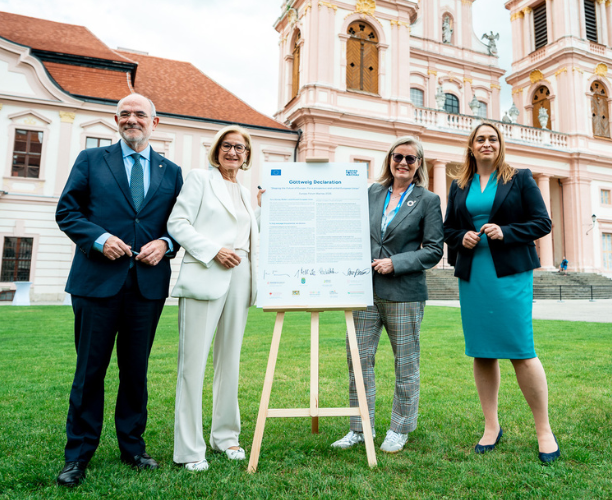
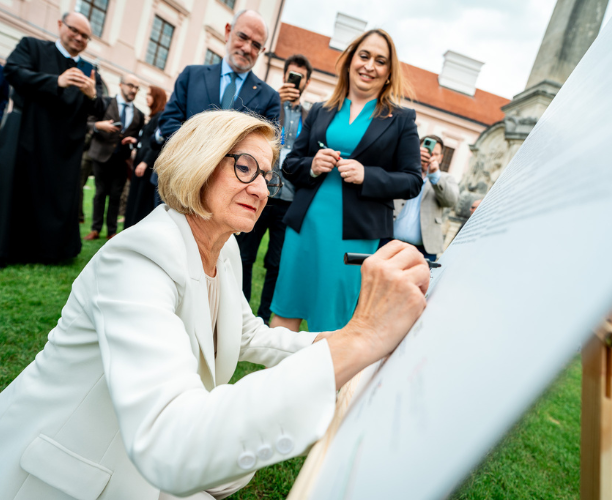
A key outcome of the event was the signing of the Göttweig Declaration by the “Power Regions” network, including Autonomous Province of Bolzano/Bozen-South Tyrol, Bavaria, Bratislava region, Emilia-Romagna, Catalonia, Häme region, Northern Netherlands region, Småland/Blekinge/Halland/South Sweden and Lower Austria. Together, these regions represent around 204 million citizens and 62% of Europe’s economic output. The declaration calls for a stronger role for regions in European policymaking, continued support for cohesion policy and greater recognition of regional expertise in addressing Europe’s future challenges.