ARGE Donauländer Leading the Danube Forward
Odesa Region’s Vision for the Working Community of the Danube Regions Chairmanship (2026–2027)
In 2026, the Odesa Region begins an important new chapter in its European engagement by assuming the Chairmanship of the Working Community of Danube Regions (ARGE Donauländer) for 2026–2027. More than a ceremonial transition, this responsibility reflects a shared commitment to strengthening regional cooperation, supporting Ukraine’s integration process, and advancing a more resilient and interconnected Danube Region.
At a time when Europe is redefining its economic, environmental, and geopolitical priorities, Odesa is uniquely positioned to help shape the future of regional collaboration by taking on this role within the ARGE Donauländer. Situated at the crossroads of the Danube and Black Sea corridors, the region combines strategic geography, economic potential, and international partnerships that make it a natural connector between Ukraine and the European Union.
Turning Partnership into Progress
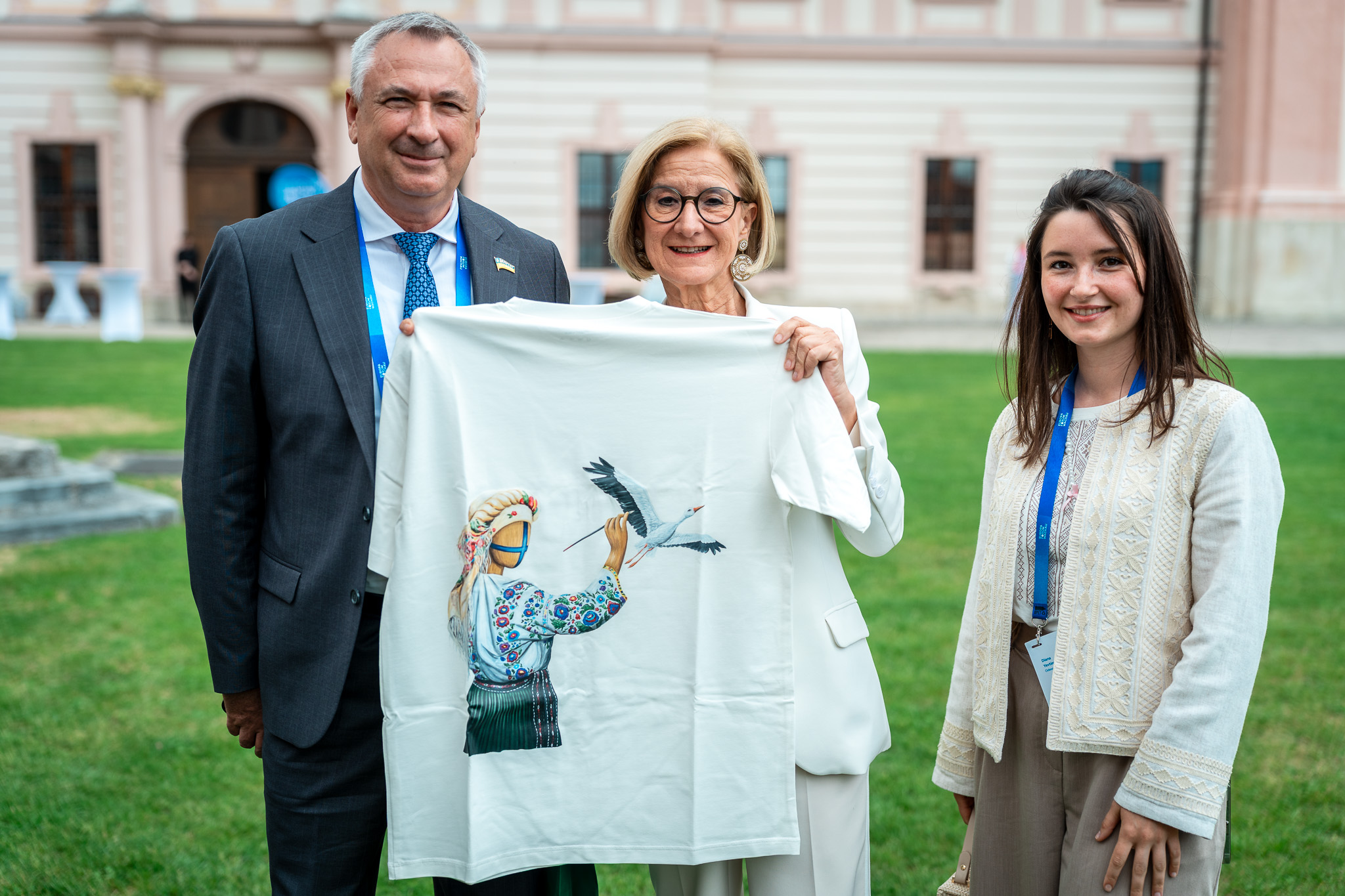
The Chairmanship of the ARGE Donauländer, taken up by Odesa Region, offers an opportunity to enhance regional dialogue and transform it into practical cooperation. Guided by the joint work program developed with the General Secretariat in Lower Austria and the Danube Info Point located at the IDM, strategic priorities were identified that respond to both current challenges and future opportunities.
Strong regional partnerships deliver tangible benefits to local communities. During its Chairmanship, Odesa will promote closer cooperation through multilateral forums, expert exchanges, seminars, study visits, and thematic workshops, building, among others, on the work of the long-standing Working Groups of the ARGE Donauländer.
A Strategic Region with European Significance
As Ukraine’s largest region, covering more than 33,000 square kilometers, Odesa has long served as one of the country’s principal gateways to Europe. Its ports, transport infrastructure, and logistics networks play a critical role in connecting Central Europe, the Balkans, and the Black Sea region.
Agriculture remains one of the pillars of the regional economy. In 2025, Odesa harvested more than four million tons of grain, reaffirming its position among Ukraine’s leading agricultural producers. The region is equally renowned for its centuries-old winemaking tradition, representing more than three-quarters of Ukraine’s vineyards and wine production across nearly 24,000 hectares.
It is a region where cultures, languages, and traditions have coexisted for generations. Home to representatives of 133 nationalities, Odesa embodies the diversity that has always defined the Danube Region.
Today, Odesa maintains cooperation agreements with more than 40 regions in 22 countries, demonstrating that international partnership is not simply an aspiration—it is an established foundation for future growth.
Protecting the Danube’s Shared Environment
The Danube Basin is one of Europe’s most valuable natural assets. Its rivers, wetlands, biodiversity, and ecosystems transcend national borders. Climate adaptation, sustainable resource management, and environmental resilience will therefore remain central priorities of the ARGE Donauländer. Odesa aims to expand participation in European programs such as Horizon Europe and Interreg, enabling local communities and research institutions to work together on innovative environmental solutions that benefit the entire Danube Region.
Revitalizing Expert Cooperation
Long-term cooperation is built on active dialogue between experts and practitioners. Odesa builds on the established work of the ARGE Donauländer, strengthening cooperation in areas such as logistics, regional development, agriculture, environmental protection, and climate resilience.
Academic partnerships across the Danube Region further promote research, innovation, and cross-border knowledge exchange. Together, these expert networks support the sharing of best practices, address common challenges, and develop coordinated solutions to enhance the region’s competitiveness and sustainability.
Building Resilient Communities
The challenges of recent years have highlighted the importance of resilient infrastructure and adaptive public services. Odesa’s Chairmanship will place particular emphasis on strengthening both energy security and healthcare resilience.
By sharing successful experiences across borders, the Working Community can help its member regions become better prepared for future challenges.
A Chairmanship Focused on the Future
The Odesa Region approaches its Chairmanship with ambition, responsibility, and optimism. At its core lies a simple belief: that the strongest solutions emerge when regions work together, share knowledge, and invest in common goals.
As Ukraine continues its European integration and recovery, regional cooperation has become more important than ever. By fostering innovation, strengthening resilience, protecting the environment, and creating opportunities for local communities, Odesa aims to contribute meaningfully to a stronger and more connected Europe.
Over the next two years, the Chairmanship will seek not only to coordinate activities within the Working Community of Danube Regions but also to demonstrate how regional partnerships can deliver real benefits for citizens, institutions, and future generations.
The Danube has always connected people, cultures, and economies. Under Odesa’s leadership, that spirit of cooperation will continue to guide the region toward a more sustainable, resilient, and prosperous future.

ARGE Donauländer
Die ARGE Donauländer ist eine Kooperationsplattform die auf Bestreben des Landes Niederösterreich 1989 gegründet wurde.
Sie versteht sich als Vertreter der Regionen, Impulsgeber für die Donauraumstrategie EUSDR, Think-Tank für Donauraumaktivitäten und Netzwerk für Akteure im Donauraum.